Key Takeaways
- Personalized puzzles foster creativity and learning by engaging children’s imagination and problem-solving skills.
- Choose puzzles that match the child’s age and skill level to ensure they are both challenging and enjoyable.
- Durable materials like wood or thick cardboard ensure longevity, making the puzzle a lasting keepsake.
- Personalization options include adding names, special messages, or using family photos to create a unique experience.
- Personalized puzzles support cognitive development, enhancing skills like critical thinking, hand-eye coordination, and fine motor abilities.
Main Insights
Personalized children’s puzzles are not just toys; they are powerful tools for learning and creativity. These puzzles can capture the essence of a child’s world, from favorite animals to beloved family photos, making each piece a stepping stone to imagination and discovery.
Unpacking the Joy of Children’s Personalized Puzzles
When it comes to gifts that combine fun with educational value, personalized puzzles are a top contender. They serve as a gateway to creativity and learning, offering children a chance to engage with the world in a way that is both meaningful and entertaining.
A Gateway to Creativity and Learning
Personalized puzzles open up a world of possibilities for children. Each puzzle piece represents a fragment of a larger picture, encouraging children to think critically and solve problems. Most importantly, the personalization aspect—whether it’s a favorite character, a cherished family moment, or a beloved pet—brings a unique touch that enhances the child’s connection to the puzzle.
For instance, a puzzle featuring a child’s name amidst a colorful jungle scene can spark their interest in wildlife and nature. As they piece together the puzzle, they are not only learning about different animals but also developing their cognitive skills in a playful manner.
Benefits of Personalized Puzzles for Young Minds
Personalized puzzles offer a multitude of benefits for young minds. They are excellent tools for cognitive development, helping children enhance their problem-solving abilities and spatial awareness. By engaging with puzzles, children also improve their fine motor skills as they grasp, fit, and manipulate the pieces. For more creative ideas, explore custom puzzle ideas for special occasions.
Furthermore, personalized puzzles can boost a child’s self-esteem. Seeing their name or a familiar image in the puzzle gives them a sense of ownership and pride, encouraging them to engage more deeply with the task at hand. This personal connection can motivate them to complete the puzzle, fostering perseverance and attention to detail.
Choosing the Right Personalized Puzzle
Selecting the perfect personalized puzzle for a child involves considering several factors. The right puzzle should be age-appropriate, durable, and aligned with the child’s interests and developmental needs.
“A well-chosen puzzle not only entertains but also educates, providing a foundation for lifelong learning.”
Age Appropriateness and Complexity
When choosing a puzzle, it’s essential to consider the child’s age and skill level. For younger children, simpler puzzles with fewer pieces are ideal. These puzzles should have large, easy-to-handle pieces that fit together with minimal effort. As children grow, they can handle more complex puzzles with smaller pieces and intricate designs.
Material and Durability Considerations
The material of the puzzle is another crucial factor. Durable materials like wood or thick cardboard ensure that the puzzle can withstand the test of time and repeated use. Wooden puzzles, in particular, offer a tactile experience that many children enjoy, and they tend to last longer than their cardboard counterparts. For more ideas on personalized puzzle designs, check out best custom jigsaw puzzle designs.
Illustration and Theme Selection
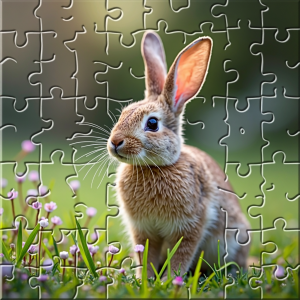 The theme and illustration of the puzzle should align with the child’s interests. Whether it’s dinosaurs, fairy tales, or outer space, choosing a theme that resonates with the child will make the puzzle more engaging. Personalizing the theme with the child’s name or a special message can further enhance the experience.
- For animal lovers, consider a puzzle featuring a variety of creatures in their natural habitats.
- If the child is fascinated by space, a puzzle depicting planets and stars might capture their imagination.
- For a more personal touch, use family photos to create a unique puzzle that tells a story.
Themed Puzzles for Personal Interests
Personalized puzzles tailored to a child’s interests can significantly enhance their engagement and enjoyment. By selecting themes that align with their passions, you can transform a simple puzzle into a captivating journey. Consider a child who loves vehicles—puzzles featuring cars, trucks, or airplanes will likely capture their attention and inspire them to learn more about these machines.
Moreover, themed puzzles can serve as educational tools. A puzzle depicting a world map can introduce children to geography, while one with historical landmarks can spark an interest in history. The key is to match the puzzle’s theme with the child’s curiosity, creating a learning experience that feels like play.
Fostering Learning Through Play
“Play is the highest form of research.” – Albert Einstein
For a unique way to engage children in learning, consider exploring custom puzzle ideas that can be personalized to suit their interests and educational needs.
Children learn best when they are having fun, and puzzles provide the perfect blend of entertainment and education. By piecing together a puzzle, children engage in a form of play that naturally encourages exploration and discovery. This process helps them develop a range of skills that are essential for their growth and development.
Puzzles encourage children to think critically and solve problems. As they work to fit each piece into its correct spot, they learn to recognize patterns, identify shapes, and understand spatial relationships. This hands-on experience is invaluable for cognitive development, laying the foundation for more complex learning in the future.
Cognitive Benefits of Puzzles
Engaging with puzzles offers numerous cognitive benefits for children. As they manipulate the pieces, they enhance their problem-solving skills, which are crucial for academic success. Puzzles also help improve memory, as children must recall the shapes and colors of pieces to complete the picture.
Additionally, puzzles promote concentration and focus. Completing a puzzle requires sustained attention, which can help children develop the ability to concentrate on tasks for longer periods. This skill is particularly beneficial in a classroom setting, where children are expected to focus on lessons and activities.
Encouraging Problem-Solving and Critical Thinking
Puzzles are excellent tools for teaching children how to approach problems methodically. As they work to complete the puzzle, they learn to break down a problem into smaller, more manageable parts. This skill is invaluable, as it can be applied to various challenges they may face in life. For some creative ideas, check out these custom puzzle ideas that can further enhance their learning experience.
By encouraging children to think critically and explore different strategies, puzzles help them develop a growth mindset. They learn that persistence and creativity can lead to success, even when faced with difficult tasks. This mindset can boost their confidence and resilience, preparing them for future challenges.
Developing Fine Motor Skills
Fine motor skills are essential for everyday tasks, such as writing, buttoning clothes, and using utensils. Puzzles provide an excellent opportunity for children to develop these skills. As they pick up and manipulate the pieces, they strengthen the small muscles in their hands and fingers.
Moreover, puzzles improve hand-eye coordination. Children must coordinate their hand movements with their visual perception to fit the pieces together. This skill is crucial for various activities, including sports and playing musical instruments.
Top Personalized Puzzle Choices
When it comes to personalized puzzles, the options are endless. From animal-themed puzzles to those featuring alphabets and numbers, there’s something for every child’s interest and developmental stage. Let’s explore some popular choices that can delight and educate children.
Animal-Themed Puzzles
Animal-themed puzzles are a favorite among children. They offer a chance to learn about different species, habitats, and ecosystems. For example, a puzzle featuring jungle animals can introduce children to the diversity of life in the rainforest. This type of puzzle not only entertains but also educates, sparking an interest in wildlife and conservation.
Alphabet and Number Puzzles
Alphabet and number puzzles are excellent tools for early literacy and numeracy skills. These puzzles help children recognize letters and numbers, laying the foundation for reading and math. By incorporating their name or favorite words, you can create a personalized learning experience that resonates with the child.
Story-Based Custom Puzzles
Story-based puzzles take personalization to the next level by incorporating narratives into the puzzle experience. These puzzles can depict scenes from a child’s favorite storybook or create a new adventure featuring the child as the main character. This imaginative approach encourages storytelling and language development, making learning both fun and meaningful. For more ideas, check out the top 10 custom puzzle ideas for special occasions.
In conclusion, personalized puzzles are more than just toys—they are tools that foster creativity, learning, and development. By selecting the right puzzle and theme, you can create a memorable experience that delights children and supports their growth.
Simple Steps to Craft a Personalized Puzzle
“Creating a personalized puzzle is as easy as piecing together your favorite memories.”
Crafting a personalized puzzle is a straightforward process that results in a unique gift or keepsake. Here are some simple steps to guide you through creating a puzzle that will be cherished for years to come.
First, choose the perfect image for your puzzle. This could be a family photo, a picture of a beloved pet, or a scene from a memorable vacation. The image should be clear and vibrant to ensure the puzzle is visually appealing.
Next, decide on the puzzle size and piece count. Consider the child’s age and skill level when making this decision. For younger children, opt for larger pieces and fewer of them. Older children can handle more complex puzzles with smaller pieces. For inspiration, check out custom puzzle ideas that cater to different age groups.
Finally, order your puzzle from a trusted manufacturer. Look for companies that offer high-quality materials and printing. This ensures the puzzle will be durable and the image will be sharp and colorful. For more ideas, check out custom puzzle ideas for special occasions.
Selecting the Perfect Image
The image you choose for your personalized puzzle is crucial to its success. It should be something meaningful to the child, whether it’s a favorite character, a family portrait, or a snapshot of a special moment. The image should also have enough detail to make the puzzle challenging yet enjoyable.
Once you’ve selected the image, consider adding a personal touch, such as the child’s name or a special message. This personalization makes the puzzle truly unique and adds an extra layer of significance.
Choosing Puzzle Size and Piece Count
When it comes to selecting the size and piece count of a personalized puzzle, consider the child’s age and skill level. Younger children benefit from larger pieces that are easier to handle and assemble. Puzzles with fewer pieces, typically ranging from 12 to 24, are ideal for toddlers and preschoolers. As children grow older and their dexterity improves, they can tackle puzzles with smaller pieces and higher counts, such as 100 or 200 pieces. This gradual increase in complexity keeps them challenged and engaged.
Ordering from Trusted Manufacturers
Choosing a reputable manufacturer is crucial for ensuring the quality of your personalized puzzle. Look for companies that offer high-resolution printing and durable materials, such as thick cardboard or wood. These materials withstand the wear and tear of frequent use, ensuring the puzzle remains a cherished keepsake. Additionally, consider manufacturers that provide customization options, such as adding names or messages, to make the puzzle truly unique. Reading customer reviews and checking for satisfaction guarantees can also help in selecting a reliable provider. For more ideas, explore these custom puzzle ideas for special occasions.
Conclusion: Sparking Imagination from Every Piece
Personalized puzzles are more than just a fun activity; they are a gateway to creativity and learning. By engaging with puzzles, children develop essential skills such as problem-solving, critical thinking, and fine motor coordination. These skills are foundational for academic success and personal growth. Most importantly, personalized puzzles offer a unique way to connect with the child, as each piece represents a fragment of their world. Whether it’s a favorite animal, a cherished family photo, or a beloved story, these puzzles spark imagination and create lasting memories. For inspiration, check out these top 10 custom puzzle ideas.
Encouraging Creativity Beyond the Puzzle
Once the puzzle is complete, the fun doesn’t have to end. Encourage children to use the completed puzzle as a starting point for storytelling or imaginative play. They can create stories about the characters or scenes depicted in the puzzle, enhancing their language and narrative skills. Additionally, puzzles can inspire children to explore related topics, such as learning more about animals, geography, or history, depending on the theme of the puzzle.
By fostering creativity beyond the puzzle, you help children develop a lifelong love of learning and exploration. This curiosity and creativity are valuable assets that will serve them well throughout their lives.
Frequently Asked Questions
As personalized puzzles continue to grow in popularity, you may have some questions about their benefits and how to choose the right one for your child. Here are answers to some common inquiries.
What age group are personalized puzzles best for?
Personalized puzzles are suitable for children of all ages, from toddlers to teenagers. The key is to choose a puzzle that matches the child’s developmental stage and interests. Younger children benefit from larger, simpler puzzles, while older children can handle more complex designs with smaller pieces.
How do personalized puzzles help in learning?
Personalized puzzles support learning by enhancing cognitive skills such as problem-solving, critical thinking, and spatial awareness. They also improve fine motor skills and hand-eye coordination. The personalization aspect, such as incorporating the child’s name or interests, makes the learning experience more engaging and meaningful.
What materials are used for personalized puzzles?
Personalized puzzles are typically made from durable materials like thick cardboard or wood. These materials ensure the puzzle’s longevity and make it easier for children to handle the pieces. High-quality printing techniques are used to create vibrant, detailed images that capture the child’s interest.
When selecting a puzzle, consider the material’s durability and the quality of the printing to ensure a lasting and enjoyable experience for the child. For inspiration on unique designs, you might explore personalized puzzle options that cater to different preferences.
Can I create a puzzle with a family photo?
Yes, many manufacturers offer the option to create personalized puzzles using family photos. This customization adds a personal touch and makes the puzzle a unique keepsake. Simply upload a high-resolution image to the manufacturer’s website, and they will print it onto the puzzle pieces. Adding names or special messages can further personalize the puzzle.
What should I look for in a quality puzzle manufacturer?
When choosing a puzzle manufacturer, look for companies that offer high-quality materials and printing. Check for customer reviews and satisfaction guarantees to ensure reliability. Additionally, consider manufacturers that provide a range of customization options, such as adding text or selecting different puzzle sizes and piece counts. A reputable manufacturer will prioritize quality and customer satisfaction, ensuring a delightful experience for both children and parents.
Children’s puzzles are a fantastic way to engage young minds while also providing entertainment. These personalized puzzles can be customized with a child’s name or photo, making them a unique gift for any occasion. If you’re looking for inspiration, check out these custom puzzle ideas for special occasions to find the perfect match for your little one.